Top Smart Air Conditioner Models for Efficient Home Cooling Solutions?
In today's rapidly evolving world, the importance of efficient home cooling solutions cannot be overstated. Smart air conditioners have emerged as a game-changer in this arena, offering both convenience and energy efficiency. These advanced systems provide homeowners with precise control over their indoor climate, adapting to personal preferences and environmental conditions.
Smart air conditioners are equipped with features like remote access, integration with smart home systems, and energy usage analytics. This technology allows users to monitor and optimize cooling from anywhere. However, not all models are created equal. Some may lack intuitive interfaces or face connectivity issues. Understanding the nuances of these devices is essential for making an informed choice.
Investing in a smart air conditioner can lead to significant savings and improved comfort. Nonetheless, users must weigh their needs carefully. While some models boast impressive features, they may not suit every household. It’s crucial to consider efficiency ratings, brand reliability, and individual cooling requirements before purchasing.
Overview of Smart Air Conditioners and Their Benefits
Smart air conditioners are revolutionizing home cooling. They offer numerous benefits beyond temperature control. According to a report by the International Energy Agency (IEA), smart AC units can improve energy efficiency by up to 30%. This reduction in energy consumption translates to lower utility bills and a smaller carbon footprint.
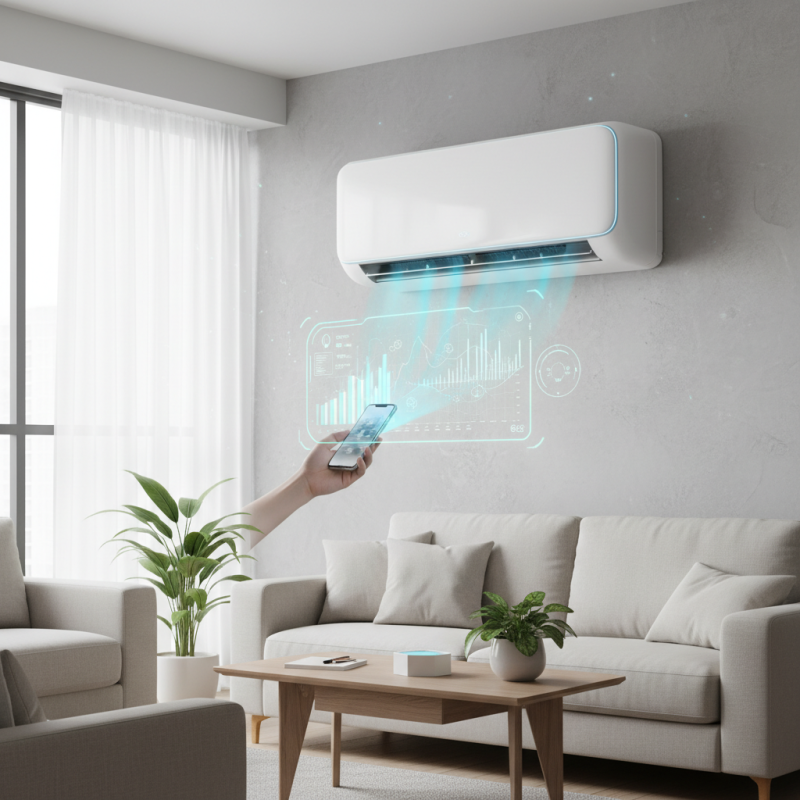
Integration with home automation systems enhances user convenience. Smart technology allows for remote monitoring and control via smartphones. Studies show that households using smart AC systems reduce energy usage by an average of 20%. Users can create cooling schedules, ensuring that the system operates only when needed. Yet, this technology isn't foolproof. Connectivity issues or app failures can hinder effectiveness.
The ability to analyze usage patterns leads to optimized performance. Smart air conditioners track your preferences over time. However, not all users may grasp their full potential. Some might overlook features like energy reports or advanced scheduling. Education on these aspects remains essential for maximizing benefits.
Key Features to Look for in Smart Air Conditioner Models
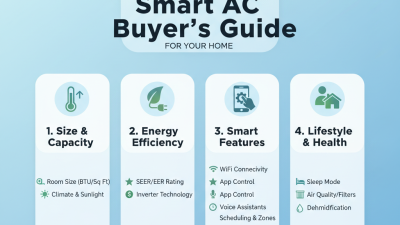
When selecting a smart air conditioner, there are several key features that can greatly enhance your evaluation. Energy efficiency should be a top priority. Look for models with high SEER ratings. These units consume less electricity while providing optimal cooling. Programmable settings can also improve efficiency. They allow users to preset cooling schedules based on their daily routines. This leads to potential savings on energy bills.
Wi-Fi connectivity is essential for smart air conditioners. It enables remote control through smartphones. This allows you to adjust the temperature before arriving home. Moreover, compatibility with smart home systems can add convenience. Voice commands can make operation hands-free. An intuitive mobile app enhances user experience by providing important updates and energy reports.
One can also benefit from air purification features. A built-in filter can remove allergens and improve indoor air quality. Moreover, units with multiple fan speeds offer personalized comfort. However, not all features are necessary for every user. Some might prefer simplicity over advanced technology. Reflecting on personal needs can help avoid overwhelming choices.
Top Smart Air Conditioner Models for Efficient Home Cooling Solutions
This bar chart provides a visual representation of key features to consider when choosing a smart air conditioner. The values demonstrate the efficiency, capacity, features, noise level, and price of the top models available in the market.
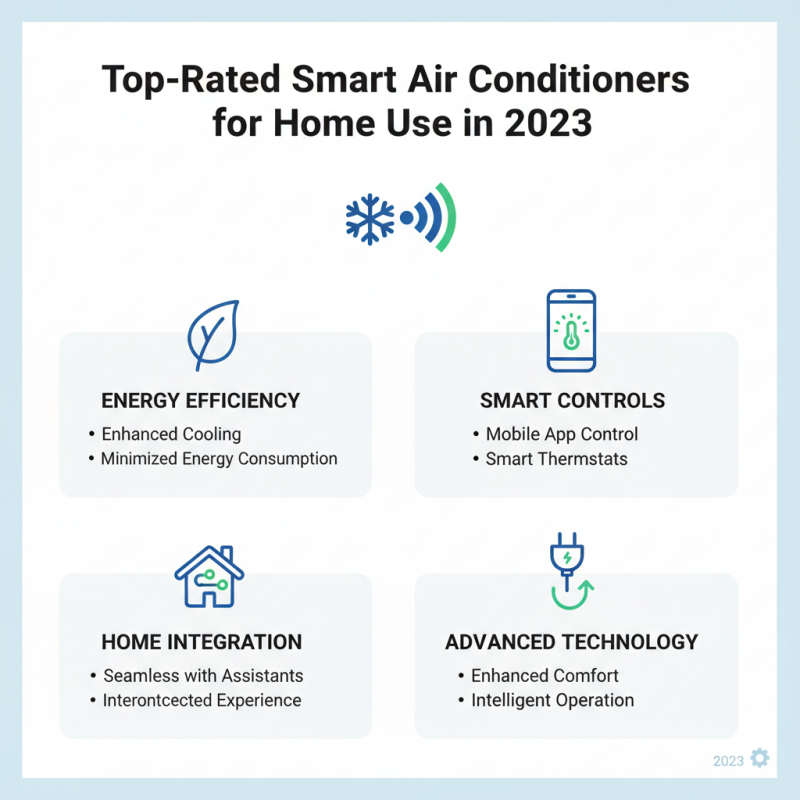
Top-Rated Smart Air Conditioners for Home Use in 2023
When looking for top-rated smart air conditioners for home use in 2023, efficiency is key. Many models now feature advanced technology that enhances cooling while minimizing energy consumption. Smart thermostats and mobile app controls allow users to manage their comfort with ease. Some units integrate seamlessly with home assistant devices, creating an interconnected smart home experience.
Choosing the right model can be overwhelming. Consider factors like room size, energy ratings, and user reviews. The best air conditioners not only cool effectively but also operate quietly, adding comfort to your living space. However, some smart features might be more complex than you expect. A user may need to spend time understanding the app functionalities before achieving optimal settings.
Reliability is another important aspect. Look for models with solid warranties and good customer support. Reviews can be mixed - some users praise specific features while others mention issues. It's essential to weigh those opinions carefully. With various models available, doing thorough research can lead to a more informed choice, ensuring your home stays comfortable during hot seasons.
Energy Efficiency Ratings and Environmental Impact of Smart ACs
When considering smart air conditioners, energy efficiency is crucial.
These units often carry high efficiency ratings. Look for models labeled with SEER (Seasonal Energy Efficiency Ratio) or EER (Energy Efficiency Ratio). Higher numbers indicate better performance. Efficient ACs not only cool the air but also reduce overall energy consumption. This results in lower utility bills.
Tips: Regular maintenance is vital. Clean filters monthly to ensure optimal airflow. This simple step can enhance efficiency. Also, consider programmable thermostats. They adjust temperatures based on your habits, further saving energy.
It's essential to think about environmental impact. Smart ACs often have eco-friendly refrigerants. These are less harmful to the ozone layer. However, even the best models have limitations. Some may still consume excessive energy during peak hours. It’s worth assessing your usage patterns.
Tips: Utilize timers or smart home integration. This allows operation during off-peak hours, reducing strain on the grid. Being mindful of your cooling strategy contributes to sustainability. Every small change counts.
Comparative Analysis of Smart AC Brands and Prices
When choosing a smart air conditioner, various factors come into play. The market features several models, each with unique characteristics and price points. Some models excel in energy efficiency, while others focus on smart features. A detailed comparative analysis is essential for making an informed decision.
Energy efficiency has become a priority for many homeowners. Smart air conditioners can significantly reduce energy bills. However, higher efficiency often comes with a steeper price tag. It’s important to weigh upfront costs against long-term savings. Some models might not be as effective in larger spaces, leading to wasted energy and money.
Smart features are another consideration. Options can range from remote control via smartphone apps to advanced scheduling capabilities. Some units integrate with smart home systems, adding convenience. However, complexities may arise, as not all models will seamlessly connect. It’s essential to research compatibility with existing devices. Buyers should evaluate what features matter most and whether they justify the expense. Balancing these elements can be challenging but necessary for optimal cooling solutions.
Top Smart Air Conditioner Models for Efficient Home Cooling Solutions
| Model |
Cooling Capacity (BTU) |
Energy Efficiency Ratio (EER) |
Smart Features |
Price ($) |
| Model A |
12000 |
12.0 |
Wi-Fi, Voice Control |
499 |
| Model B |
18000 |
15.0 |
Mobile App, Smart Scheduling |
649 |
| Model C |
10000 |
11.5 |
Geolocation, Voice Control |
399 |
| Model D |
22000 |
14.5 |
Smart Diagnostics, Energy Monitoring |
799 |
| Model E |
15000 |
13.0 |
Voice Control, Remote Access |
549 |