China Top Ductless Mini Split Heat Pump Suppliers
Choosing a reliable China top ductless mini split heat pump supplier requires more than comparing online prices. Buyers need evidence of engineering capability, production consistency, and responsible after-sales support. A dependable manufacturer should explain capacity ratings, seasonal efficiency, refrigerant options, noise levels, and operating limits clearly.
Look for suppliers with documented factory experience, quality-control procedures, and relevant product certifications for your target market. Factory audits can reveal practical details, such as clean assembly lines, calibrated testing equipment, and properly labeled cartons. Product samples also matter. A unit may appear efficient in a brochure but perform differently in humid coastal weather or below-freezing conditions.
Ask for laboratory reports, warranty terms, spare-parts policies, and installation guidance. Real export experience is valuable, especially when a supplier understands voltage differences, packaging risks, and local compliance requirements. Communication quality offers another useful signal. Technical answers should be specific, not copied from a sales template.
Still, no supplier is perfect. Testing one sample cannot prove long-term reliability. Even a respected factory may experience delays or component shortages. This is where careful contracts, inspections, and realistic forecasts reduce risk. Buyers should compare several China-based manufacturers instead of trusting the lowest quotation.
The right ductless mini split heat pump supplier combines measurable performance with responsive service. A professional partnership should make system selection, installation, maintenance, and future replacement easier. Small details matter. A clear wiring diagram or quickly delivered control board can protect an entire project from unnecessary downtime.
What Ductless Mini Split Heat Pumps Are and How They Work
China Top Ductless Mini Split Heat Pump Suppliers
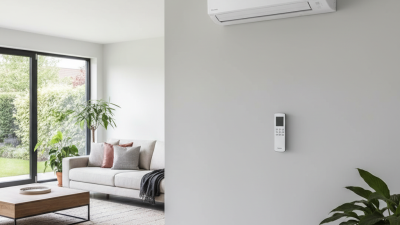
A ductless mini split heat pump provides heating and cooling without large air ducts. It uses an outdoor compressor and one or more indoor air handlers. Refrigerant moves between these units through a narrow line set. This carries heat, not simply cold air.
In cooling mode, the indoor coil absorbs room heat. The outdoor unit releases that heat outside. In heating mode, the refrigerant flow reverses. The outdoor coil collects available heat, even from cool winter air. The compressor then raises its temperature before the indoor unit distributes it. It is not magic. It is controlled heat transfer.
From field checks, correct sizing matters more than impressive capacity numbers. An oversized unit may cycle frequently and leave humidity behind. An undersized unit can run constantly during cold weather. Installers should inspect insulation, window exposure, room use, and outdoor clearance. A clean filter supports airflow, while blocked coils reduce performance. Small details matter.
When evaluating suppliers in China, request capacity data, operating temperature ranges, noise measurements, wiring diagrams, and test documentation. Ask how replacement parts and technical support are handled. Specifications can look complete but still hide unclear assumptions. I have found that installation guidance often deserves as much attention as the equipment itself. A reliable heat pump should match the building, climate, controls, and installer’s skill.
Why China Is a Leading Source of Ductless Heat Pump Systems
China has become a leading source of ductless mini split heat pump systems through a dense manufacturing ecosystem. Compressor parts, copper tubing, control boards, and plastic housings often come from nearby production clusters. This reduces transport between factories and helps manufacturers adjust designs quickly.
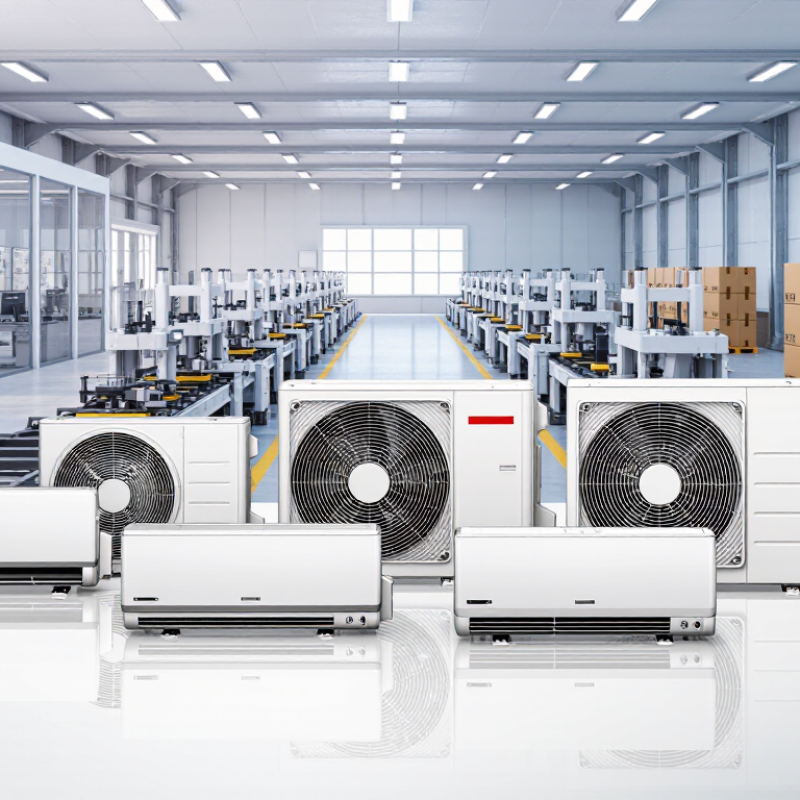
Factory experience matters. During supplier evaluations, buyers can inspect assembly lines, refrigerant charging stations, and temperature-testing rooms. Reliable producers document vacuum levels, pressure readings, noise output, and heating performance. Many also test units in conditions below freezing, where weak systems reveal themselves quickly. Details matter here.
Cost is another advantage, but price alone is not enough. Chinese suppliers commonly offer different capacities, voltage options, Wi-Fi controls, and indoor unit designs. They can support private specifications while maintaining established production processes. Export teams also provide manuals, spare parts, and installation guidance for overseas markets.
The picture is not perfect. Quality can vary between factories, even when product images look similar. Some suppliers still need stronger after-sales communication and clearer technical documents. Careful buyers should review test reports, inspect samples, and confirm warranty responsibilities before ordering. A low quotation may hide packaging weaknesses or limited service support. That requires honest checking.
China Top Ductless Mini Split Heat Pump Suppliers: Why China Is a Leading Source
China accounted for approximately 40% of global heat pump production, making it the largest manufacturing base for heat pump systems. This scale supports broad component availability, mature supply chains, and competitive production capacity for ductless mini split products.
Source: International Energy Agency, The Future of Heat Pumps, 2022. The statistic covers heat pumps overall, not individual brands or companies.
Key Criteria for Evaluating Chinese Heat Pump Suppliers
China Top Ductless Mini Split Heat Pump Suppliers
Evaluating Chinese heat pump suppliers requires more than comparing quotations.
The International Energy Agency reported that global heat pump sales grew by 11% in 2022. This growth increases pressure on factories, testing systems, and after-sales teams. Ask for verified COP and SCOP values under recognized standards, not only laboratory screenshots. Check heating capacity at -7°C and -15°C, where weak systems often disappoint.
Factory experience matters. Request production records, quality-control procedures, and recent third-party test reports. ISO 5151 and EN 14511 testing can help compare performance fairly. Review compressor sourcing, refrigerant handling, defrost logic, noise levels, and control-board protection. The supplier should explain these details clearly. If answers stay vague, risk remains.
I would also inspect sample units for panel gaps, wiring labels, drainage design, and outdoor-coil protection. Small details often reveal larger habits.
Tips:
Compare three samples using identical settings and outdoor temperatures. Record startup time, sound, airflow, and power draw.
Ask how warranty claims are diagnosed remotely and how replacement parts are stored. The IEA notes that installation quality strongly affects real-world efficiency, so assess training materials and technical support.
A low price may help procurement, but it can weaken long-term reliability. That trade-off deserves careful reflection.