How to Tune Up Your Home AC in 2026?

As temperatures rise in 2026, a reliable air conditioner matters more than ever. Learning how to tune up your home AC can improve comfort, reduce wasted energy, and reveal small problems before they become expensive repairs. A weak airflow, unusual buzzing, or damp smell may indicate trouble inside the system.

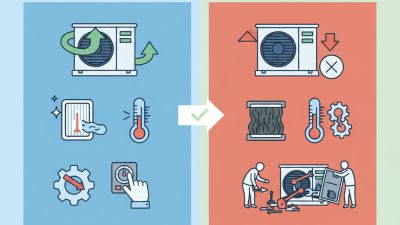
A practical home AC tune up begins with simple observations. Replace a clogged filter, clear leaves from the outdoor unit, and check that supply vents are open. Look for crushed ducts, loose insulation, or water around the indoor cabinet. Set the thermostat carefully, then compare the room temperature with the displayed reading. Small details matter.

Safety comes first.

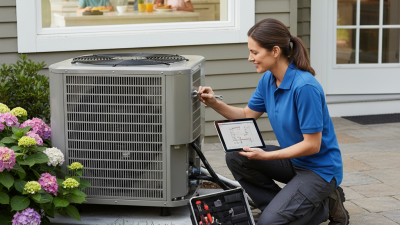
Homeowners should never open electrical panels or handle refrigerant without proper training and certification. A qualified HVAC technician can test electrical connections, measure refrigerant levels, clean coils, and inspect condensate drainage. These checks require specialized tools and experience. Manufacturer instructions should guide every maintenance decision, because systems differ.

Smart thermostats and newer heat pump systems can provide useful performance data, but their readings are not always perfect. A low energy bill does not prove that equipment is healthy. Likewise, a brief cooling cycle may hide a developing fault. I have found that careful notes help: record filter changes, service dates, noises, and temperature differences. Still, no checklist replaces professional judgment. Use this guide as a practical starting point, not a guarantee. With regular attention and qualified service, your AC can cool more consistently through demanding summer weather.
How to Tune Up Your Home AC in 2026?

Check Your AC System and Gather the Necessary Tools

How to Tune Up Your Home AC in 2026?

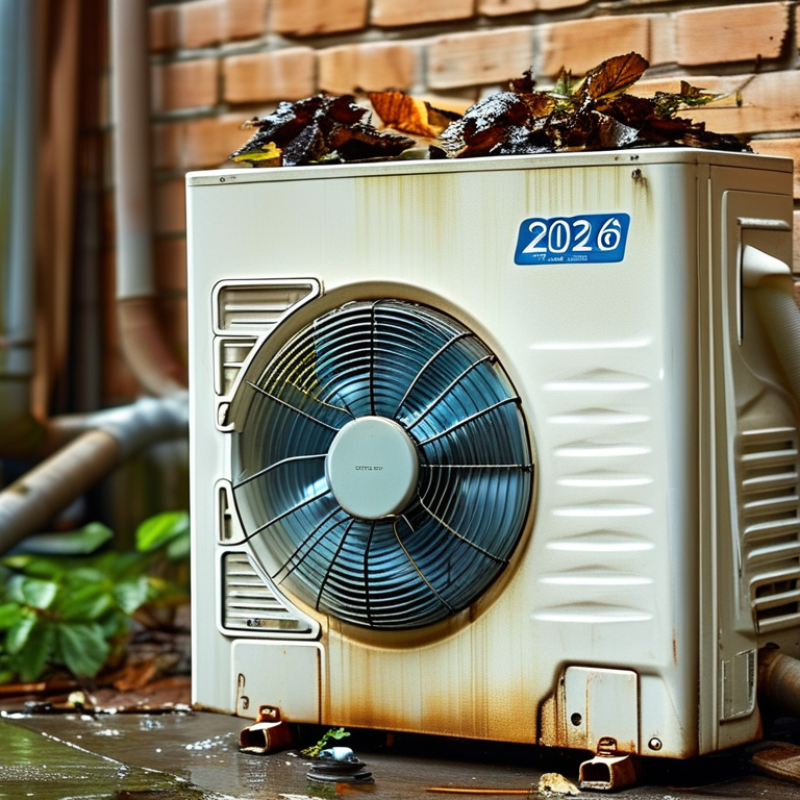
Before touching the system, switch off power at the indoor controls and outdoor disconnect. Check the thermostat, circuit breaker, air filter, and visible wiring. A clogged filter can restrict airflow and make the system work harder. Inspect the outdoor unit for leaves, grass, rust, or bent fins. Listen carefully. Rattling, buzzing, or repeated clicking deserves professional attention.

Gather a screwdriver set, nut driver, soft brush, vacuum, fin comb, work gloves, eye protection, and a digital thermometer. Keep the system manual nearby. Take photos before removing any panels; this small step prevents confused reassembly. A multimeter is useful only if you understand electrical testing. Do not open sealed refrigerant lines. Refrigerant work requires certified service and proper recovery equipment.

After cleaning the accessible areas, restore power and let the AC run for several minutes. Measure the air temperature at a return grille and a supply vent. Many systems show roughly a 15–20°F difference, but outdoor humidity and equipment design affect the reading. Record the result and note airflow, smells, and cycling time. My own checks are not always perfect; I have missed dust behind a panel before. That is a good reason to slow down, avoid forcing parts, and call a qualified technician when the evidence is unclear.

Replace or Clean Filters, Coils, and Airflow Components

How to Tune Up Your Home AC in 2026?

Start with the air filter, because restricted airflow makes the system work harder.

Turn off the AC before removing it. Hold the filter toward a window. If light barely passes through, replace it. Check the size printed on the frame and follow the equipment manual. I inspect filters monthly, but homes with pets or construction dust need more attention. A filter can look clean and still hold fine particles.

Next, clean the coils carefully.

Remove leaves and grass from the outdoor condenser coil. Use a soft brush or a gentle water spray from inside outward. Protect the electrical box from moisture. Straighten bent fins with a fin comb. Indoor evaporator coils are harder to reach and should stay dry during cleaning. I once cleaned only the visible surface and missed packed dust behind it. That was not enough. If ice covers the coil, turn off cooling and request professional service.

Airflow components deserve a room-by-room check.

Open supply registers and keep furniture away from them. Vacuum return grilles, then listen for whistling or rattling. Weak airflow may indicate a blocked duct, closed damper, dirty blower, or leakage. Do not open electrical panels without proper training. An HVAC professional can measure static pressure and inspect hidden components safely. Record filter changes and unusual sounds. I still forget sometimes, especially during the first hot week.

Inspect Refrigerant Lines, Electrical Parts, and Drainage

How to Tune Up Your Home AC in 2026?

A reliable AC tune-up begins with the refrigerant lines. Turn off power before inspecting the outdoor unit. Check copper lines for crushed sections, loose insulation, oil marks, or unusual frost. These signs can indicate leaks or restricted flow. Do not loosen fittings or release refrigerant. Leak testing, recovery, and charging require a qualified HVAC professional with proper equipment. A small visual check can prevent a larger repair.

Electrical parts deserve equal attention. Look for scorched wires, swollen capacitors, loose terminals, and rust around the disconnect box. Never touch energized components, even when the system appears quiet. A trained technician can test voltage, current, grounding, and capacitor performance safely. Keep the service area dry and clear. I have seen homeowners focus on filters while ignoring damaged wiring. That mistake can become expensive.

Drainage problems often start quietly. Inspect the condensate pan, drain line, trap, and float switch for standing water or slime. A wet floor near the indoor unit needs prompt attention. Gentle cleaning may help, but avoid forcing debris deeper into the pipe. Confirm that water flows to the approved outlet. This check is easy to overlook. My own inspection routine has missed small drain buildup before, so I now use a flashlight and check the pan from both sides. Manufacturer instructions and local safety rules should guide every repair.

Test Thermostat Settings and Measure Cooling Performance

How to Tune Up Your Home AC in 2026?

Test thermostat settings before touching the equipment. Set the thermostat to 78°F when occupied, then record the room temperature after 30 minutes. The U.S. Department of Energy reports that raising a cooling setpoint by 7–10°F for eight hours can save up to 10% annually. Comfort matters, though. A setting that saves energy but causes restless sleep is not a perfect setting. I learned that the hard way.

Measure cooling performance with a clean filter installed. Place one thermometer near the return grille and another in a supply vent. After the system runs for 15 minutes, compare the readings. Many service professionals view a 15–20°F difference as a useful field benchmark, not a guaranteed diagnosis. Humidity can distort comfort, even when the temperature looks acceptable. The latest residential energy-use analyses from the U.S. Energy Information Administration show that air conditioning remains a major summer electricity load in many American homes.

Tips: Keep doors and windows closed during testing. Check the thermostat’s actual room temperature against a separate thermometer. Listen for short cycling. A system that starts and stops every few minutes may need professional inspection. Do not adjust refrigerant yourself. The U.S. Environmental Protection Agency identifies refrigerant handling as specialized work requiring proper training and equipment. My own notes are rarely perfect, so repeat the test on a warmer afternoon and record outdoor temperature, indoor humidity, and run time.

Schedule Professional Maintenance for Safety and Efficiency

A home air conditioner deserves a professional check before summer demand peaks. The U.S. Department of Energy reports that heating and cooling use nearly half of a typical home’s energy. A neglected system can waste electricity through clogged filters, restricted airflow, or loose electrical connections. Schedule a licensed technician to inspect the coil, condensate drain, blower, refrigerant levels, and safety controls.

Small details matter. A technician may find water near the indoor unit, a cracked insulation sleeve, or dust packed behind the filter. These problems are easy to miss while the system still blows cold air. ENERGY STAR recommends annual pre-season maintenance for cooling equipment. The service should also include measuring temperature differences and checking airflow, not simply washing the outdoor cabinet.

Safety comes first. Poor electrical connections can overheat, while blocked drains can damage ceilings and walls. The National Fire Protection Association identifies electrical distribution and equipment as major contributors to residential fires, so informal repairs deserve caution. I once assumed a louder fan was harmless. That assumption was wrong. Ask for written readings and repair explanations. A second opinion may be worthwhile when replacement is suggested, especially if the diagnosis feels rushed. EPA refrigerant rules also require proper recovery and handling by qualified professionals.

How to Tune Up Your Home AC in 2026? - Schedule Professional Maintenance for Safety and Efficiency
Maintenance Item Recommended Timing Who Should Perform It Safety or Efficiency Purpose Signs That Service May Be Needed Priority
Replace or clean the air filter Check monthly; replace or clean according to the filter type, household conditions, and manufacturer instructions Homeowner Maintains airflow, reduces dust buildup, and helps prevent the system from working harder than necessary Weak airflow, dusty rooms, increased operating time, or a visibly loaded filter Routine
Inspect the indoor evaporator coil and blower assembly During annual professional cooling-season maintenance, or sooner if airflow decreases Qualified HVAC professional Removes restrictions that can reduce heat transfer, increase energy use, and contribute to coil icing Reduced airflow, ice on the indoor coil or refrigerant line, unusual odors, or longer cooling cycles Medium
Clean the outdoor condenser coil At least annually; inspect more often when exposed to leaves, grass clippings, dust, or coastal air Homeowner for light debris removal; professional for thorough cleaning Improves outdoor heat rejection and helps reduce compressor stress during hot weather Visible debris between coil fins, excessive outdoor-unit noise, or poor cooling on hot days Medium
Check refrigerant circuit and operating pressures During professional maintenance or whenever cooling performance changes Qualified HVAC professional Identifies possible leaks, undercharge, overcharge, or restrictions that can damage the compressor and reduce efficiency Insufficient cooling, ice formation, hissing sounds, oily residue near connections, or repeated low-refrigerant symptoms High
Inspect electrical connections, wiring, and disconnect Annually and whenever the system trips a breaker or shows electrical irregularities Qualified HVAC professional Helps identify loose connections, overheating, damaged insulation, and other potential fire or shock hazards Burning odor, buzzing, melted insulation, frequent breaker trips, or scorch marks High
Test capacitors, contactor, relays, and motor operation During annual professional maintenance Qualified HVAC professional Confirms that starting and running components operate within safe electrical limits and helps prevent unexpected shutdowns Hard starting, intermittent operation, loud clicking, humming without startup, or outdoor fan failure High
Inspect condensate drain, pan, and safety switch At least annually; inspect sooner in humid climates or if indoor leaks occur Homeowner for visible drain checks; professional for blockages and safety controls Reduces the risk of water damage, mold growth, overflow, and nuisance shutdowns Water around the indoor unit, full drain pan, musty odor, slow drainage, or repeated system shutdowns High
Check ductwork, registers, and return-air openings Annually; inspect after renovations, pest activity, or changes in room comfort Homeowner for accessible registers; professional for concealed ducts and leakage testing Supports balanced airflow and reduces energy loss caused by disconnected, crushed, or poorly sealed ducts Uneven room temperatures, whistling sounds, dusty streaks near vents, or unusually high cooling demand Medium
Verify thermostat operation and temperature-sensor placement Before the cooling season and whenever comfort or cycling problems appear Homeowner; professional for wiring or control faults Prevents incorrect scheduling, short cycling, and unnecessary runtime caused by inaccurate temperature readings Short cycles, failure to reach the set point, blank display, or thermostat located near heat sources Routine
Inspect fan blades, bearings, belts, and vibration mounts During annual professional maintenance Qualified HVAC professional Reduces mechanical wear, vibration, noise, and the risk of fan or motor failure during peak demand Rattling, grinding, excessive vibration, squealing, or uneven fan movement Medium
Confirm system airflow and supply/return temperature performance During professional maintenance and after major repairs Qualified HVAC professional Provides evidence that the system is moving air correctly and transferring heat as expected without excessive strain Persistent hot or cold spots, weak supply air, long cycles, or cooling that varies by room Medium
Review equipment age, repair history, and replacement-readiness Annually, especially when the system requires frequent repairs or performance declines Homeowner with a qualified HVAC professional Supports planned decisions and may prevent emergency replacement during extreme weather Frequent breakdowns, obsolete refrigerant concerns, rising repair costs, or declining reliability Routine
Safety reminder: Turn off power at the appropriate disconnect before performing any permitted homeowner inspection. Do not open refrigerant circuits, handle energized electrical components, bypass safety switches, or attempt refrigerant charging without the required qualifications and equipment.