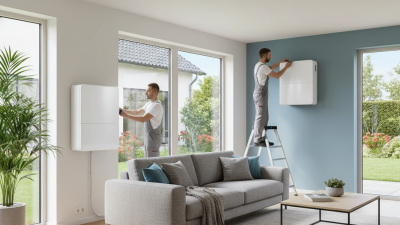
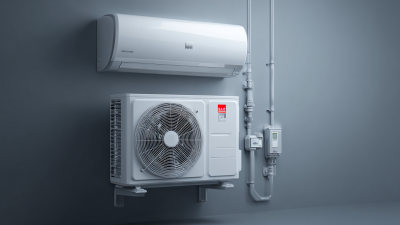
Ductless heating and cooling systems can warm or cool a room without a network of ducts. They use an outdoor heat-pump unit connected to one or more indoor air handlers by narrow refrigerant lines. Small wall openings carry the lines and wiring. No bulky ductwork is required.
Building-science educator Allison Bailes has discussed the heat-pump principle: the system transfers heat rather than creating it through combustion. In heating mode, refrigerant absorbs heat from outdoor air and carries it indoors. In cooling mode, the process reverses. The indoor unit draws in room air, passes it over a coil, and circulates the conditioned air back into the space. A reversing valve changes the direction of refrigerant flow. That’s the basic cycle.
Quiet, room by room.
Many systems let occupants set different temperatures for separate zones. Inverter-driven compressors can adjust their speed instead of repeatedly switching fully on and off. This may improve comfort and efficiency, though real results depend on climate, equipment, installation, and how the home is used. A poorly placed indoor unit can leave corners stuffy, even when the thermostat reads correctly. That detail is easy to overlook. A qualified installer should assess room size, insulation, and line placement before recommending equipment. The technology is straightforward in principle, but not every home or layout is a perfect fit.
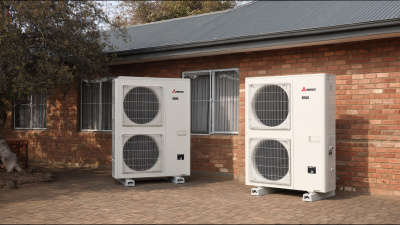
A ductless system connects an outdoor unit to one or more indoor air handlers through narrow refrigerant lines. The outdoor unit contains a compressor and coil. The compressor circulates refrigerant, which carries heat between indoors and outdoors. In cooling mode, indoor heat moves outside. In heating mode, a reversing valve changes the refrigerant’s direction, bringing heat indoors. It sounds simple. The details matter.
Each indoor air handler has a fan, coil, filter, and temperature controls. The fan moves room air across the coil, while the filter catches some dust and lint. A condensate drain carries away moisture collected during cooling. Wall-mounted units are common, but placement affects how evenly air reaches a room. A unit tucked behind a curtain may struggle. Multiple indoor units can serve separate spaces, though they still depend on correctly sized equipment and well-planned refrigerant lines. Not every floor plan is an easy fit.
Tips: Keep the filter clean and leave the air outlet unobstructed. Notice unusual drips, weak airflow, or changing noises. These clues do not prove a fault, but they can help a technician diagnose one. Have refrigerant and electrical work handled by a qualified professional.
In heating mode, the outdoor unit gathers heat from outside air, even when the air feels cold. A fan pulls air across the outdoor coil, where low-pressure refrigerant absorbs heat and evaporates. The compressor then raises the refrigerant’s pressure and temperature. That hotter vapor travels through insulated lines to the indoor unit, releases heat into the room, and condenses back into liquid. The cycle repeats. The refrigerant moves heat; it does not create it. That distinction matters.
The U.S. Department of Energy’s Energy Saver guidance says heat pumps can use about 50% less electricity for heating than electric-resistance systems. That is a comparison, not a promise: outdoor temperature, sizing, airflow, and installation all affect performance. In cold weather, frost may form on the outdoor coil. The system periodically reverses the refrigerant flow to melt it, briefly changing how heat is delivered indoors. The neat diagram leaves this part out. It is also why a real unit may sound different during a defrost cycle. When cooling, a reversing valve switches the cycle: refrigerant carries indoor heat outdoors, where the coil releases it to the air.
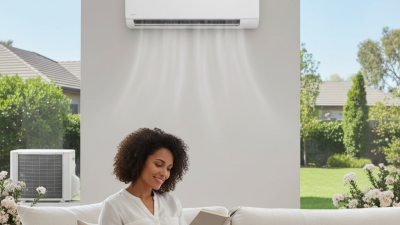
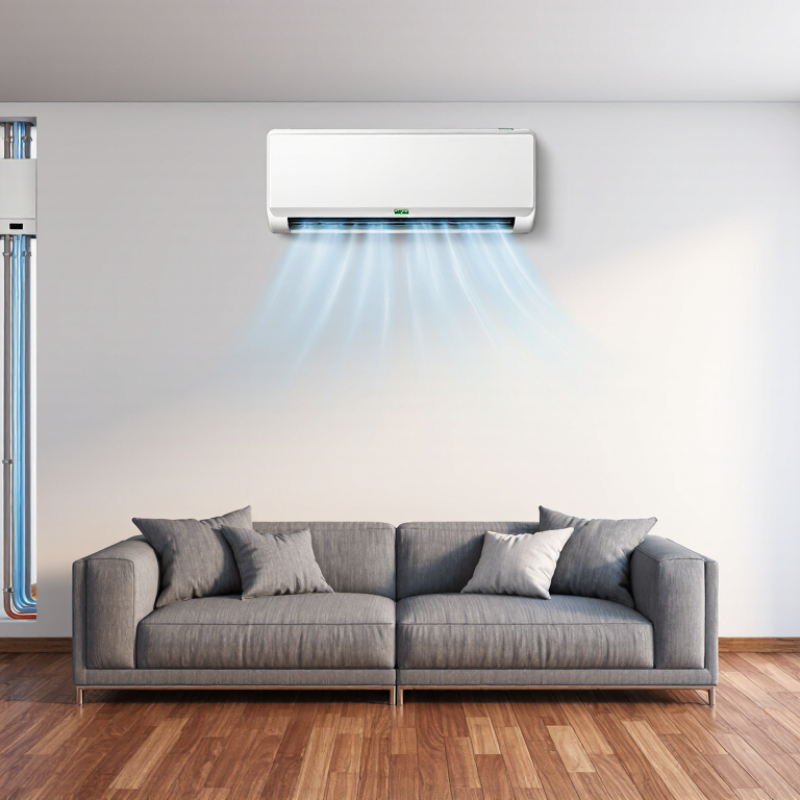
Inside a ductless system, the indoor unit draws room air through a washable filter. A small fan moves the air across a cold evaporator coil, where refrigerant absorbs heat. The unit sends cooled air back into the room through adjustable louvers. The absorbed heat travels through refrigerant tubing to the outdoor unit. Moisture can condense on the coil and leave through a narrow drain line, so the room may feel less humid as it cools. Quiet, but not magic.
A sensor measures the air near the indoor unit, and the controls regulate cooling as the room warms or nears its setting. Airflow depends on placement. Curtains, furniture, or a high shelf can block the intake and disrupt circulation. A dusty filter can restrict airflow, too, so checking it regularly helps the system deliver steady comfort. Still, room shape and sunlight complicate the picture. One corner may cool quickly while a sunny desk stays warm. That unevenness is worth noticing before assuming the equipment is at fault.
An indoor unit draws room air across a cold evaporator coil, then sends the cooled air back into the room.
Example temperatures: air entering the indoor unit at 27°C (81°F) and cooled air leaving at 16°C (61°F). Actual temperatures vary with system settings, humidity, and operating conditions.
A ductless heat pump does not create heat by burning fuel. In heating mode, it moves heat from outdoors into the room, even when the air feels cold. The outdoor coil absorbs available heat, causing refrigerant inside it to evaporate. A compressor then raises the refrigerant’s pressure and temperature. Hot refrigerant travels to the indoor coil, where it releases heat into the room as a fan gently circulates air. Warm air arrives without ducts.
The cycle changes direction. A reversing valve redirects the refrigerant, switching which coil absorbs heat and which releases it. In cooling mode, the indoor coil collects heat from the room and the outdoor coil sends it outside. In heating mode, those roles swap. A faint click during the switch can be normal. So can a brief pause before warm air appears.
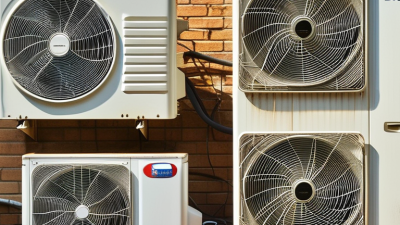
On a frosty morning, the outdoor coil may collect ice. The system can temporarily reverse into defrost mode, warming that coil so airflow can recover. Indoor heat may pause briefly. Performance also depends on outdoor temperature, equipment sizing, and installation quality; some systems deliver less heat in severe cold. The first time I noticed a unit’s fan stop during defrost, it seemed like a fault. It wasn’t—but unusual or persistent changes deserve a qualified technician’s attention.
A ductless heating and cooling system uses an outdoor unit connected to indoor air handlers by refrigerant lines. In cooling mode, it carries heat from inside to outdoors. In heating mode, the process reverses, bringing heat indoors. Each air handler serves a particular room or zone, so the system can condition spaces without a network of ducts. Quiet operation is common, though the fan may still be noticeable at night.
Separate zone controls let occupants set different temperatures in different rooms. A wall-mounted controller measures the air nearby and signals its air handler to adjust output. If a bedroom is set cooler than the living room, the two zones can respond independently. Small changes matter. Many systems vary their output instead of repeatedly switching fully on and off. Still, a sunny window or a poorly insulated room can affect comfort; controls cannot correct every building problem. I have found it helpful to check where the sensor sits before assuming the system is inaccurate.