How to Choose the Best Ductless HVAC System?

Choosing the best ductless HVAC system requires more than comparing online prices and glossy efficiency labels. The right choice depends on room size, climate, insulation, window exposure, occupancy, and installation quality. A system serving a sunny upstairs bedroom may need different capacity from one cooling a shaded home office. Oversizing can cause short cycling, uneven humidity, and unnecessary wear. Undersizing may leave the compressor running during the hottest afternoon.

Energy performance deserves careful attention. The U.S. Department of Energy explains that duct losses can waste more than 30% of a system’s heating and cooling energy, especially when ducts pass through unconditioned spaces. That advantage makes ductless design attractive, but it does not guarantee low bills. Compare SEER2, EER2, HSPF2, and cold-climate performance rather than relying on one headline rating. The International Energy Agency’s The Future of Cooling report projects global space-cooling energy demand could more than triple by 2050, reaching over 6,000 TWh annually. Efficiency is becoming a household concern, not merely a technical preference.

This guide examines capacity, indoor comfort, sound levels, filtration, controls, refrigerant requirements, warranty coverage, and installer credentials. ENERGY STAR guidance also emphasizes correct sizing and professional installation. A quiet indoor unit matters when it sits beside a bed. So does reliable condensate drainage during humid weather. Manufacturer claims can be useful, yet they are not the whole story. Real performance depends on commissioning, maintenance, and daily use. No buying guide can predict every home perfectly. That limitation deserves honesty. Use the recommendations here as a practical framework, then confirm the load calculation with a qualified HVAC professional.
How to Choose the Best Ductless HVAC System?

Understanding Ductless HVAC Systems and Their Main Components

How to Choose the Best Ductless HVAC System?

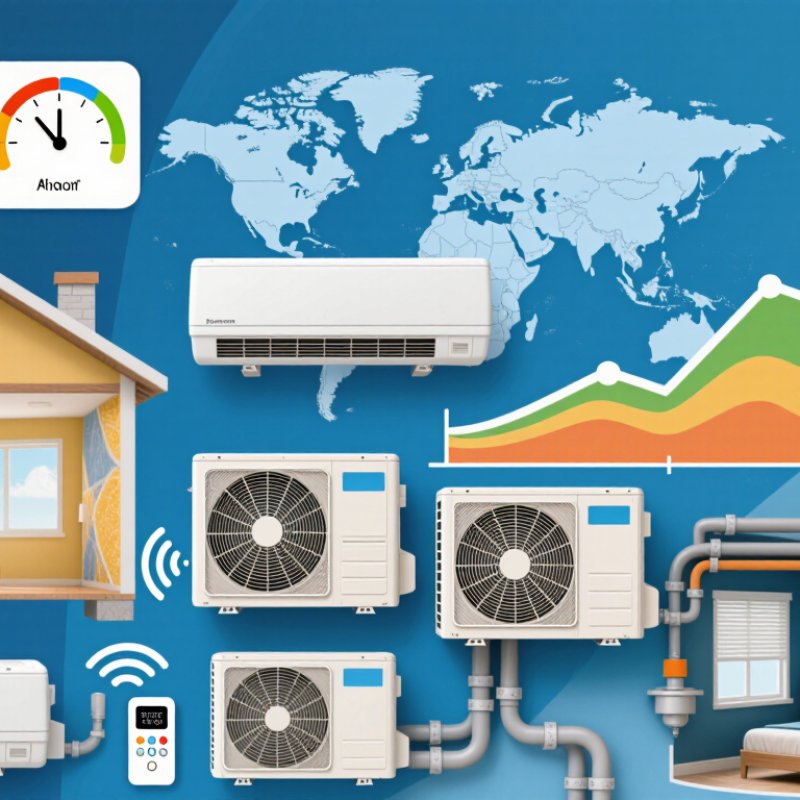
Understanding the system matters before comparing prices. A ductless HVAC system uses an outdoor condenser and one or more indoor air handlers. Refrigerant lines connect them through a small wall opening. The indoor unit delivers conditioned air directly to a room, without large sheet-metal ducts. This design suits older homes, additions, garages, and spaces with limited access.

Understanding the system matters before comparing prices.

The main components each affect comfort and reliability. The outdoor condenser contains the compressor and releases or absorbs heat. The indoor air handler includes a coil, fan, filter, and controls. Refrigerant piping carries thermal energy between both units. A drain line removes condensation, while electrical wiring supplies safe, stable power. Some systems serve one zone; others connect several indoor units to one condenser. Room size, insulation, window exposure, and ceiling height should guide capacity selection. Bigger is not always better.

Bigger is not always better.

Professional assessment remains important. An experienced technician should calculate heating and cooling loads, inspect electrical capacity, confirm drainage, and follow local installation codes. Poor sizing may cause short cycling, uneven temperatures, or excessive humidity. I have seen homeowners focus on quiet operation and overlook filter access. That mistake becomes frustrating every month. Maintenance needs honesty, too. Filters require regular cleaning, and outdoor coils need clear airflow. Even a well-designed system can perform poorly when installation details are rushed. Consider noise, controls, service access, warranty terms, and expected winter performance before choosing.

Assessing Your Space, Climate, and Heating and Cooling Needs

Choosing a ductless HVAC system begins with the space, not the equipment catalog.
Measure each room, note ceiling height, window direction, insulation, and daily occupancy. A sunny upstairs bedroom may need different capacity from a shaded study. Open doors do not guarantee even airflow. Zoning matters.

Climate changes the decision. In a cold region, check the system’s rated heating capacity at low outdoor temperatures. In humid climates, examine moisture removal and indoor humidity control.

The U.S. Department of Energy reports that heat pumps can deliver up to three times more heat energy than the electricity they consume. Performance still depends on installation, defrost cycles, and building efficiency.

The U.S. Energy Information Administration reports that space heating represents about 42% of household energy use, so incorrect sizing can become expensive.

Ask for a room-by-room load calculation using ACCA Manual J or an equivalent professional method. Oversizing may cause short cycling, uneven temperatures, and weak dehumidification. Undersizing can create long runtimes and comfort complaints. There is no perfect shortcut.

I have seen planning focus too heavily on peak temperature, while overlooking cooking heat, air leakage, and future renovations. Check electrical capacity, outdoor-unit clearance, noise near bedrooms, and filter access. A qualified technician should explain assumptions, not only present a capacity number.

Comparing System Types, Capacity, Efficiency, and Features

Choosing the best ductless HVAC system starts with the system type. A single-zone unit suits one bedroom, office, or converted garage. A multi-zone system connects several indoor units to one outdoor condenser. It offers cleaner exterior lines, but shared capacity can limit performance during extreme weather. Wall-mounted heads are efficient and easy to install. Ceiling cassettes distribute air more evenly, while concealed duct units provide a less visible finish.

Capacity must match the room’s actual heating and cooling load. Oversizing may cause short cycling, uneven humidity, and higher energy use. Undersizing can leave a room cold on a windy winter evening. A qualified technician should assess insulation, window area, ceiling height, sun exposure, and local climate. Square-foot rules are useful estimates, but they can mislead. I would not trust a quick online calculator alone.

Efficiency ratings help compare electricity use, but the highest rating is not always the best value. Check seasonal cooling and heating ratings, low-temperature performance, and expected service needs. Useful features include programmable controls, occupancy sensors, washable filters, quiet operation, and condensate protection. Smart controls are convenient, though weak Wi-Fi can make them frustrating. Ask about warranty terms, filter access, and installation quality. A careful vacuum test, proper refrigerant handling, and secure drainage often matter more than flashy features. Noise matters at night. Test it in person when possible.

Evaluating Installation Requirements, Costs, and Long-Term Savings

How to Choose the Best Ductless HVAC System?

Installation requirements should guide the decision before price does. A qualified technician should perform a room-by-room load calculation. This prevents oversized equipment, uneven temperatures, and unnecessary cycling. The technician should also inspect electrical capacity, wall structure, drainage, and outdoor unit placement. Some homes need new circuits or condensate pumps. Permit rules vary by location, so confirm them before work begins.

Request itemized estimates from at least two qualified contractors. Each quote should show equipment, labor, electrical work, permits, controls, and disposal fees. The lowest bid may exclude important tasks. That can become expensive later. Ask about warranty coverage and maintenance access. My first estimate might look reasonable, yet a missing line item can change the final cost. Review it carefully.

Long-term savings depend on more than efficiency ratings. Correct sizing, sealed connections, clean filters, and moderate thermostat settings affect real performance. Higher-efficiency equipment usually costs more upfront, so compare estimated annual energy use with the expected service life. Local electricity prices and climate make a major difference. An energy audit can improve the estimate. Still, projections are imperfect. Leave room for repairs, refrigerant checks, and eventual component replacement. Choose a system that fits both the building and your budget.

How to Choose the Best Ductless HVAC System?

Evaluating installation requirements, costs, and long-term savings

A typical single-zone ductless system costs about $3,000–$7,500 installed, while multi-zone systems generally cost more as additional indoor units, refrigerant lines, electrical work, and commissioning are required. High-efficiency systems may reduce cooling and heating energy use by approximately 30%–50% compared with electric resistance heating or older low-efficiency equipment. Actual costs and savings depend on climate, home size, insulation, utility rates, and installation complexity.

Choosing a Qualified Installer and Planning Ongoing Maintenance

Choosing a Qualified Installer and Planning Ongoing Maintenance

A ductless HVAC system performs well only when installation matches the home. Choose a qualified installer with current training, proper insurance, and strong local references. Ask whether they perform a room-by-room load calculation. Guesswork can create uneven temperatures, short cycling, or unnecessary energy use. The installer should also inspect electrical capacity, wall structure, drainage, and outdoor unit clearance. Request a written proposal with equipment capacity, labor details, commissioning steps, and maintenance recommendations.

Tips: Ask for proof of credentials. Check recent customer feedback. Confirm who handles permits when required. During installation, watch for clean line-set routing, secure mounting, sealed wall openings, and accurate refrigerant procedures. The technician should test airflow, temperature differences, controls, and drainage before leaving. Take photographs of hidden piping. They may help later.

Maintenance is less dramatic but equally important. Clean or replace filters according to household dust levels, not just a calendar. Inspect indoor coils, outdoor coils, drain lines, and electrical connections during professional service. Keep leaves away from the outdoor unit. Do not ignore water stains, strange odors, weak airflow, or repeated shutdowns. These signs can indicate a blocked drain, refrigerant problem, or electrical fault. Even careful planning misses details sometimes. A maintenance log makes those mistakes easier to notice. Ask the technician to record test readings and recommended repairs after each visit.

How to Choose the Best Ductless HVAC System? — Choosing a Qualified Installer and Planning Ongoing Maintenance

Evaluation Area Recommended Benchmark Evidence to Request Why It Matters Maintenance or Planning Frequency Decision Signal
Heating and cooling load calculation Use a room-by-room load calculation rather than selecting capacity by floor area alone. Written load calculation showing room dimensions, insulation, windows, occupancy, climate, and solar exposure. Oversized equipment may cycle frequently and control humidity poorly; undersized equipment may run continuously and fail to maintain comfort. Before equipment selection Required before quoting
Installer licensing and insurance Installer should hold all licenses required by the local authority and carry appropriate liability and worker protection coverage. Current license details, insurance certificate, and written contract. Licensing and insurance help confirm legal compliance and reduce financial risk during installation. Verify before signing Non-negotiable
Refrigerant-handling qualification Technicians working with regulated refrigerants should have the legally required refrigerant-handling credentials for the installation location. Technician qualification information and refrigerant-handling authorization where required. Incorrect recovery, charging, or leak repair can reduce efficiency and create environmental and safety concerns. At installation and repair Verify credentials
Electrical and building permits Confirm whether electrical, mechanical, or building permits are required locally, and ensure the installer manages inspections when applicable. Permit numbers, inspection schedule, and documentation of completed inspections. Permits help verify that clearances, wiring, disconnects, mounting, and safety requirements are met. Before installation Check local rules
Indoor-unit placement Position the indoor unit to distribute air effectively while maintaining required clearances from ceilings, walls, curtains, and furniture. Installation drawing showing airflow direction, clearances, drain routing, and service access. Good placement improves comfort, reduces noise complaints, and makes cleaning and repairs easier. Review before mounting Confirm layout
Outdoor-unit location Provide stable support, adequate airflow, protection from flooding and snow where relevant, and sufficient service clearance. Outdoor-unit location plan and confirmation of mounting or pad details. Restricted airflow, vibration, water exposure, or blocked service access can shorten equipment life and reduce performance. Review before installation Confirm site conditions
Refrigerant line installation Use approved line sizes and maximum lengths, protect lines from damage, insulate them continuously, and seal wall penetrations. Line-set specifications, pressure-test record, evacuation record, and photos of concealed work. Leaks, moisture, poor insulation, and improper evacuation can cause low capacity, higher energy use, and compressor damage. Document at commissioning Require test records
Drainage and condensate control Install a properly sloped drain where possible, or use an accessible condensate pump when gravity drainage is not practical. Drain routing, pump location if used, overflow protection, and access points for cleaning. Reliable drainage helps prevent water damage, odors, mold growth, and unexpected shutdowns. Inspect every 6–12 months Plan service access
System efficiency and operating range Compare recognized seasonal efficiency ratings and confirm that the system’s heating and cooling operating range suits the local climate. Product efficiency data, capacity tables, and local code-compliance information. Seasonal ratings provide a consistent basis for comparing energy performance, while operating range affects cold- or hot-weather comfort. At equipment selection Compare like for like
Commissioning and owner handover Installer should test operation in the available modes and provide controls training, manuals, maintenance instructions, and installation records. Commissioning checklist, test results, warranty terms, manuals, and refrigerant or line-set records. Accurate handover information supports safe operation, troubleshooting, warranty service, and future maintenance. At project completion Do not skip
Air-filter care Inspect filters regularly and clean them according to the operating environment and the equipment manual. Written filter-cleaning instructions and filter-access information. Dirty filters restrict airflow, increase operating effort, and can reduce indoor-air quality and comfort. Inspect monthly; commonly clean every 1–3 months Owner task
Indoor coil and blower cleaning Schedule professional cleaning when dust, grease, biological growth, odor, or reduced airflow is present. Maintenance scope identifying coil, blower wheel, louvers, drain pan, and related components. Accumulated debris can reduce airflow, create odors, and increase the risk of condensate drainage problems. Typically every 1–2 years; sooner in harsh environments Professional service
Outdoor coil and airflow inspection Keep leaves, grass, dust, and other obstructions away from the outdoor coil and verify that airflow is unobstructed. Inspection checklist and photographs when service is performed. Blocked outdoor airflow can increase operating pressure, reduce capacity, and raise energy consumption. Inspect seasonally; clean as needed Seasonal task
Electrical and control inspection Check electrical connections, disconnects, wiring condition, controls, sensors, and error-code history. Service report listing measurements, observed faults, and corrective actions. Early detection of loose connections, damaged wiring, or control faults improves reliability and safety. Every 6–12 months Include in service visit
Refrigerant leak and performance check Investigate signs of low charge, icing, unusual noise, reduced capacity, or repeated fault codes instead of simply adding refrigerant. Leak-test findings, operating measurements, repair records, and confirmation of proper charging procedure. Refrigerant does not normally need routine topping up; repeated loss usually indicates a leak or installation problem. When symptoms occur or during diagnosis Find the cause
Annual maintenance agreement Consider a written maintenance plan with clearly defined tasks, visit frequency, response times, and exclusions. Service agreement stating inclusions, pricing, emergency terms, and record-keeping requirements. A documented plan reduces missed maintenance and creates a history that helps identify recurring problems. Review annually Useful for multi-zone systems

Planning benchmarks are general guidance. Equipment sizing, permits, electrical requirements, refrigerant rules, clearances, and maintenance intervals should be confirmed with the installation manual and the applicable local code.