Best Universal Remote Control for Your Home Theater System?
In today's world of home entertainment, a universal remote control has become essential. According to a recent industry report by CEDIA, nearly 60% of households now utilize smart devices for their home theaters. This shift underscores the growing demand for efficient control systems. A universal remote streamlines operations, allowing users to manage multiple devices effortlessly.
However, finding the best universal remote can be daunting. Different models offer varying features, and compatibility with devices can be inconsistent. A study from the Consumer Technology Association shows that 70% of consumers feel overwhelmed by the technology in their homes. It highlights the need for reliable solutions that simplify user experiences.
As we delve into the best options available, it's crucial to consider user needs and technical specifications. Not all universal remotes deliver a seamless experience. Some may fall short in usability or device compatibility. These factors demand thoughtful evaluation and reflection. In a world that values efficiency, the right choice can enhance your home theater enjoyment.
Understanding Universal Remote Controls: A Comprehensive Overview
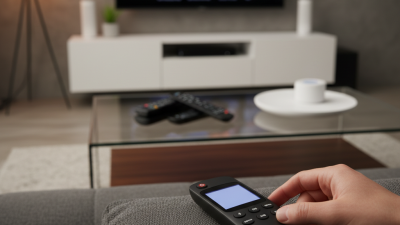
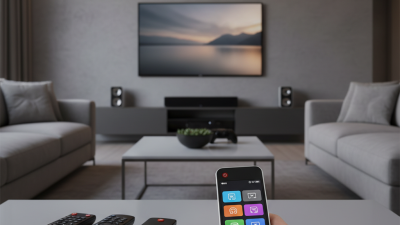
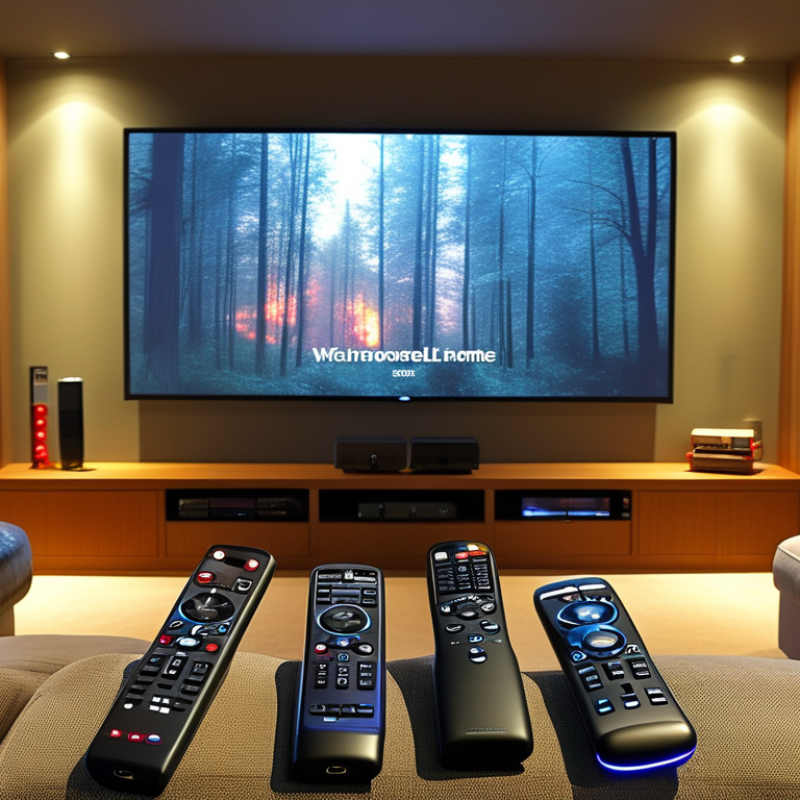
Universal remote controls have become essential for home theater systems. They simplify the experience by consolidating multiple devices into one convenient tool. These remotes can manage TVs, sound systems, and streaming devices. Understanding how they function can help you maximize their potential.
Many universal remotes offer programmable buttons. This allows you to set specific functions for quick access. For instance, you can program macros to turn on your TV and sound system simultaneously. However, not all remotes are created equal; some may lack compatibility with certain devices. It's crucial to verify compatibility before making a purchase.
Customization options vary widely among models. While some users appreciate detailed customization, others may find it overwhelming. A steep learning curve can lead to frustration during setup. It's important to invest time in understanding your remote's features. Experimentation can also lead to discovering hidden capabilities. As you explore, consider taking notes on what works best for your system.
Best Universal Remote Control for Your Home Theater System?
| Feature |
Description |
Rating (out of 5) |
Price Range |
| Compatibility |
Works with various devices including TV, DVD, Blu-ray, and streaming devices. |
4.5 |
$30 - $100 |
| Ease of Use |
User-friendly interface with easy setup and navigation. |
4.7 |
$25 - $90 |
| Customizability |
Ability to program buttons according to user preferences. |
4.3 |
$35 - $120 |
| Battery Life |
Long-lasting battery performance, often rechargeable. |
4.6 |
$20 - $110 |
| Voice Control |
Supports voice commands for hands-free operation. |
4.2 |
$50 - $150 |
Key Features to Look for in a Universal Remote for Home Theaters
When choosing a universal remote for your home theater system, specific features can make a world of difference. First, look for a remote that offers a user-friendly interface. Complex setups can lead to confusion, especially if multiple devices are involved. A clear layout with labeled buttons can ensure easy navigation. Consider a model with customizable buttons. This allows you to tailor the remote to your preferences, making it more efficient during movie nights.
Another essential feature is compatibility with various devices. A good universal remote should control not only your TV but also a sound system, streaming devices, and even lighting. Check the number of devices it can support. Some remotes may claim to be universal but often fall short with less common brands. Wireless connectivity options, such as Bluetooth or Wi-Fi, are also worth exploring. These can enhance functionality and reduce the clutter of wires.
Consider battery life and charging options. Some remotes require frequent battery changes, while others offer rechargeable capabilities. This could affect your experience, especially during gatherings. Lastly, think about the learning feature. A learning remote can adapt to new devices, ensuring longevity. This adaptability is vital in a world that constantly updates technology. Reflecting on these aspects can refine your decision-making process.
Top Universal Remote Control Brands and Their Offerings
When selecting a universal remote control, it's essential to consider various brands and their offerings. Many top brands pride themselves on their intuitive designs and powerful functionality. They provide remotes that can streamline your home theater experience. Such devices can control everything from your television to sound systems and gaming consoles.
One notable feature to explore is the ease of setup and compatibility. Leading brands often use a simple pairing process. Users can program their remotes quickly, making it ideal for tech-savvy individuals and those less experienced. However, some products may require updates or adjustments after initial setup, which can be frustrating. It's important to understand that not all devices play nicely together, so research compatibility carefully.
In addition to basic functions, many remotes now offer smart features. Voice control and integrated smart home management enhance the user experience. These features can provide convenience but may take time to master. Each brand has its unique strengths, and researching customer reviews will pave the way for an informed decision. Ultimately, choosing the right universal remote can transform your entertainment system into a seamless hub of control.
Best Universal Remote Control Options for Home Theater Systems
Setting Up Your Universal Remote: A Step-by-Step Guide
Setting up a universal remote can be a straightforward process, but it often involves some trial and error. Start by gathering the necessary components, including the remote itself and the devices you want to control. Ensure that your television, sound system, and streaming devices are close by. Familiarize yourself with the remote’s buttons and features. This preliminary step can save you time later.
Programming the remote usually begins with entering codes for each device. Most universal remotes come with a code list, typically in the user manual. Take your time entering each code accurately. If a code doesn’t work, don’t hesitate to try the next one. It’s normal to feel frustrated at times, especially if a device resists pairing. Document any successful or unsuccessful codes you find; this will help in future setups.
Once the devices are synced, spend time optimizing your settings. Adjust volume levels, screen sizes, and other preferences to suit your environment. If functions don’t respond as expected, revisit the manual or online resources. It’s common to overlook details. Remember, a well-functioning system is worth the effort it takes to set up. After all, the goal is a seamless entertainment experience.
Troubleshooting Common Issues with Universal Remotes in Home Systems
Universal remotes are designed to simplify the control of multiple devices. However, users often encounter issues that can hinder their experience. A recent industry report states that nearly 30% of users experience problems with their universal remotes, including connectivity issues and programming failures. These problems can lead to frustration. Troubleshooting these common issues is essential for a seamless home theater experience.
Programming errors are one of the most frequent issues. Inadequate instructions or lack of compatibility can cause devices to remain unresponsive. Users may need to reset their remotes or reprogram them entirely. According to a survey, 25% of users reported difficulties in syncing their universal remotes with newer TV models. If the remote doesn’t recognize a device, checking for firmware updates is a crucial step. Many devices release updates to improve compatibility.
Another common issue is battery life. A significant percentage of users find that their remotes drain batteries quickly. This can lead to unexpected shutdowns and interruptions. In some cases, a simple change, like using high-quality batteries, can resolve this issue. Users should also ensure the remote's sensors are clean, as dirt can obstruct signals and affect performance. Addressing these issues promptly will improve the overall functionality of a universal remote in any home system.